
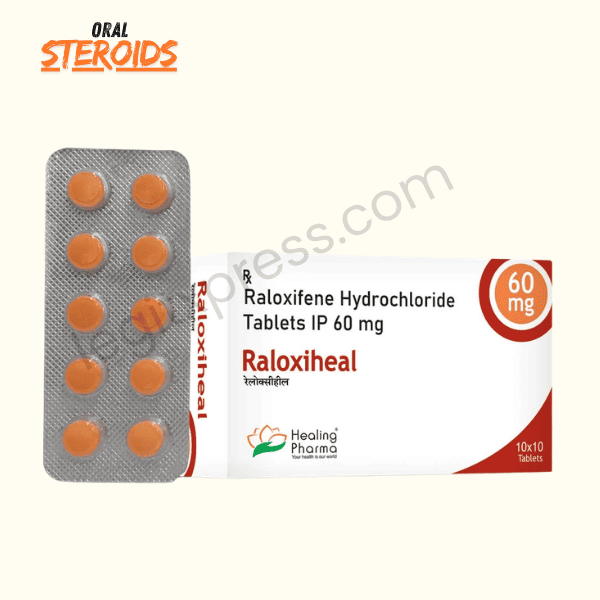
Raloxifene Hydrochloride
Active Ingredient |
Raloxifene Hydrochloride |
Indication |
Gynecomastia treatment & reversal, osteoporosis prevention & treatment, invasive breast cancer risk reduction, estrogen receptor-positive breast cancer, hormonal balance support, PCT support |
Manufacturer |
Raloxiheal |
Packaging |
30 Pills , 60 Pills , 90 Pills |
Strength |
60mg |
Delivery Time |
⏱ Usually 5–15 business days depending on location and pharmacy |
What Is Raloxifene Hydrochloride?
Raloxifene hydrochloride is the active ingredient in medicines used primarily to prevent and treat osteoporosis in postmenopausal women. It belongs to a class of medicines called selective estrogen receptor modulators, or SERMs.
A SERM can act like estrogen in some tissues while blocking or limiting estrogen activity in others. Raloxifene has an estrogen-like effect on bone, helping reduce bone loss after menopause. It has different effects in breast and uterine tissue, which is one reason it is used in selected postmenopausal patients rather than as a general hormone replacement medicine.
In Canada, raloxifene hydrochloride is available as a prescription oral tablet. The brand Evista contains raloxifene hydrochloride 60 mg, and generic products may also be available. Health Canada information identifies raloxifene products for the treatment and prevention of osteoporosis in postmenopausal women.
Raloxifene is not the same as estrogen replacement therapy, birth-control medication or a natural health supplement. It should not be purchased from an unauthorized online seller or used without an appropriate medical assessment.
You may see this medicine described as raloxifene hydrochloride, raloxifene HCl, Evista, generic raloxifene, selective estrogen receptor modulator or oral 60 mg tablet. The brand and generic name contain the same active ingredient when the product is authorized and dispensed through a regulated pharmacy.
What Is Raloxifene Used For?
Raloxifene hydrochloride is primarily used for the prevention and treatment of osteoporosis in postmenopausal women. It may also reduce the risk of certain invasive breast cancers in selected postmenopausal women where this use is medically appropriate.
Canadian product information identifies raloxifene for the prevention and treatment of osteoporosis after menopause. Its effects on bone can help reduce the risk of vertebral fractures. It is not suitable for every patient and may not provide the same level of protection against every type of fracture.
Treatment decisions may take into account bone mineral density, previous fractures, age, menopause status, family history, fall risk, kidney and liver health, history of blood clots, cardiovascular risk and other medicines.
Osteoporosis may develop without symptoms until a fracture occurs. Raloxifene is usually part of a broader bone-health plan that may include resistance exercise, weight-bearing activity, adequate calcium and vitamin D, fall prevention and smoking cessation.
Raloxifene is not a treatment for every type of breast cancer and does not replace surgery, radiation, chemotherapy or other oncology treatments. A clinician should assess individual breast-cancer risk before considering raloxifene for risk reduction.
Dosage and Administration
For approved osteoporosis indications, Canadian product monographs commonly recommend one 60 mg raloxifene tablet once daily. The tablet may be taken at any time of day, with or without food. The treatment plan depends on the patient's health, fracture risk, medical history and other medicines.
Take raloxifene exactly as prescribed. Take one tablet at approximately the same time each day, swallow it with water, follow the instructions for the specific product and continue calcium or vitamin D only as recommended. Do not change the dose, share tablets or use medicine from an unauthorized online source.
If a daily dose is missed, product information generally advises taking it when remembered and then resuming the regular once-daily schedule. Ask a pharmacist for product-specific instructions and do not double doses.
Raloxifene can increase the risk of venous thromboembolism. A physician may recommend stopping treatment before planned surgery or during prolonged immobility. Patients should discuss timing with their healthcare team rather than making an independent decision.
Healthcare professionals may monitor bone mineral density, fall and fracture risk, clot symptoms, cardiovascular health, liver and kidney health when appropriate, calcium and vitamin D status, breast symptoms and medication interactions.
How Does Raloxifene Affect the Body?
Raloxifene binds to estrogen receptors and produces tissue-specific effects. In bone, it acts in an estrogen-like manner that can help reduce bone resorption, the process by which old bone is broken down.
This effect may help maintain bone mineral density after menopause. However, raloxifene is not a universal substitute for estrogen and may not relieve hot flashes or vaginal dryness. In some patients, it can make hot flashes worse.
Raloxifene can help preserve bone mineral density and reduce the risk of vertebral fractures. It may not be appropriate for someone whose primary concern is hip-fracture prevention or who has very severe osteoporosis; a specialist may recommend another medicine.
Raloxifene has anti-estrogenic effects in breast tissue and may reduce the risk of certain invasive breast cancers in appropriate postmenopausal women. It does not guarantee that breast cancer will not develop and does not replace screening.
One of the most important risks is venous thromboembolism, including deep-vein thrombosis, pulmonary embolism and retinal vein thrombosis. Raloxifene should not be used by women with an active or previous history of these conditions.
Potential Side Effects and Health Risks
Possible side effects include hot flashes, night sweats, leg cramps, joint or muscle pain, flu-like symptoms, headache, dizziness, nausea, swelling of the hands or feet, increased vaginal discharge, skin rash and mild gastrointestinal symptoms.
Raloxifene may increase the risk of blood clots in the legs, lungs or eyes. Seek urgent medical attention for sudden chest pain, shortness of breath, coughing blood, rapid heartbeat, unexplained leg swelling, pain or warmth in one leg, sudden vision loss or major visual changes.
Some patients, particularly those with cardiovascular disease or high stroke risk, require careful evaluation before treatment. Seek emergency help for facial drooping, weakness on one side, trouble speaking, sudden confusion, severe headache or loss of balance.
Raloxifene may cause leg cramps, muscle spasms, joint pain or musculoskeletal discomfort. Rarely, serious allergic or liver-related reactions may occur. Contact a healthcare professional for widespread rash, facial swelling, difficulty breathing, yellowing skin or eyes, dark urine or severe abdominal discomfort.
Patients should report persistent or severe symptoms. Raloxifene does not eliminate the need for routine breast screening or osteoporosis follow-up.
Who Should Avoid Raloxifene?
Raloxifene should not be used by people who are pregnant or could become pregnant, are breastfeeding, have active or previous deep-vein thrombosis, pulmonary embolism or retinal vein thrombosis, have a known allergy to raloxifene or its ingredients, or have unexplained uterine bleeding that has not been assessed.
Raloxifene is intended for postmenopausal women. It should not be used by children, adolescents or premenopausal women unless a specialist identifies a specific and appropriate medical reason.
Tell the prescriber about heart disease, previous stroke or transient ischemic attack, high blood pressure, high cholesterol, liver disease, kidney disease, cancer history, prolonged immobility, planned surgery, smoking and all medicines, vitamins and natural health products.
Raloxifene may interact with certain medicines, including bile-acid binding agents such as cholestyramine. Patients should ask a pharmacist to review their complete medication list.
-
Raloxifene hydrochloride is a prescription selective estrogen receptor modulator used mainly to prevent and treat osteoporosis in postmenopausal women. It may also be used to reduce the risk of certain invasive breast cancers in selected patients.
-
Yes. Health Canada records raloxifene products, including Evista 60 mg and generic raloxifene tablets, as prescription medicines.
-
For osteoporosis prevention or treatment, Canadian product information commonly recommends one 60 mg tablet once daily, with or without food. The prescribing clinician should confirm the appropriate treatment.
-
Yes. Raloxifene may generally be taken with or without food. Follow the instructions provided with the specific product.
-
No. A healthcare professional may recommend calcium and vitamin D as part of a broader bone-health plan, but supplements should be individualized.
-
Yes. Raloxifene can increase the risk of venous thromboembolism and should not be used by people with an active or previous history of these conditions.
-
No. Raloxifene can harm an unborn child and should not be used during pregnancy or by people who could become pregnant. It is not intended for breastfeeding patients.
-
It can cause or worsen hot flashes and night sweats. Raloxifene is not intended to treat general menopausal symptoms.
-
A healthcare professional may advise stopping it before planned surgery or during prolonged immobilization because of clot risk. Ask the prescribing team for specific instructions.
-
Raloxifene may reduce the risk of certain invasive breast cancers in selected postmenopausal women, but it is not a general treatment for existing breast cancer.
-
Take the missed dose when remembered unless it is close to the next scheduled dose. Resume the usual schedule and do not double the dose. Confirm instructions with a pharmacist.
-
Seek urgent care for chest pain, sudden shortness of breath, coughing blood, one-sided leg swelling, sudden vision loss, facial drooping, weakness, difficulty speaking or severe allergic symptoms.